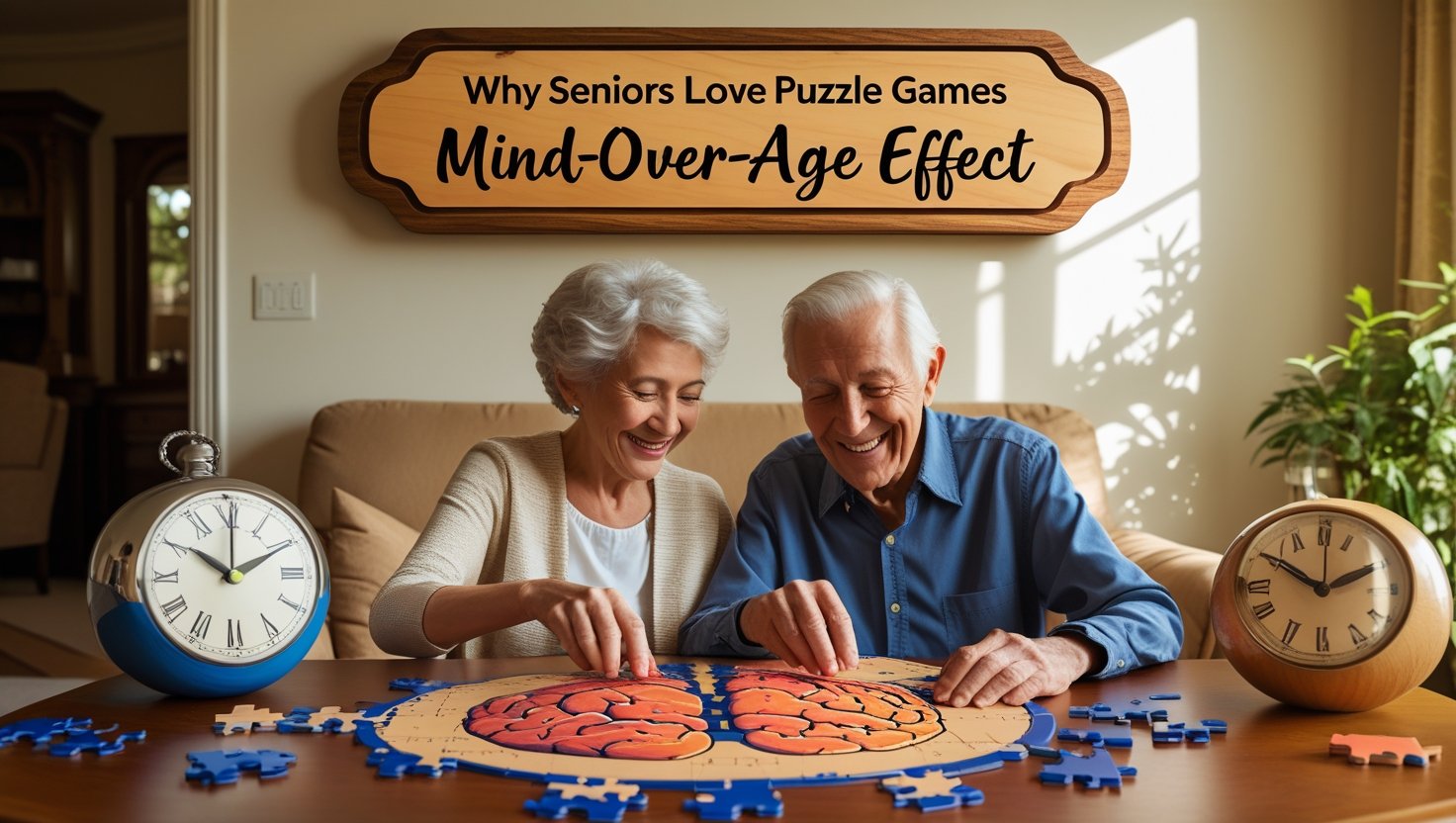
Imagine a single puzzle piece igniting a spark that rejuvenates the mind. Puzzle games offer seniors a blend of challenge and fun that fuels the mind-over-age effect, proving mental agility isn’t confined by years. These games transform routine moments into opportunities for cognitive renewal and social connection. In this article, we uncover why seniors embrace puzzles, exploring the science, emotional rewards, and community spirit behind these seemingly simple pastimes.
Unlocking Cognitive Brilliance with Puzzle Play:
Puzzle games have long been recognized as powerful tools for stimulating the mind. For seniors, engaging in puzzle games provides more than just entertainment—it offers a mental workout that can sharpen memory, enhance problem-solving skills, and even delay aspects of cognitive decline. Scientific studies show that regularly challenging the brain with puzzles helps forge new neural connections and keeps older minds vibrant. This mental exercise builds up a cognitive reserve, a buffer that may mitigate the effects of age-related memory lapses and maintain a high level of mental functioning.
Older adults often appreciate the direct impact these activities have on their everyday lives. Whether it’s completing a jigsaw puzzle, solving a crossword, or engaging in digital brain teasers, each activity necessitates focused attention and deductive reasoning. This continuous exercise not only supports mental agility but also reinforces self-confidence. Every puzzle solved is a small victory that cumulatively contributes to a sense of personal achievement. The beauty of puzzles is that they adapt; they allow individuals to progress at their own pace, making them ideal for maintaining cognitive health over time.
Furthermore, puzzle games serve as an accessible preventive measure against conditions like dementia. By dedicating a few moments of daily focus to these activities, seniors can derive both immediate satisfaction and long-term health benefits. The mental stimulation garnered through puzzles is a testament to the fact that it’s never too late to nurture your brain.
Turning Challenges into Joyful Adventures:
For many seniors, puzzles represent a joyful challenge rather than a chore. There’s a sense of accomplishment that comes from piecing together a complex image or deciphering a tricky clue. This process releases dopamine, the neurotransmitter associated with pleasure and reward, creating a natural high that is both uplifting and motivating. The emotional benefits are significant: puzzles can help reduce stress, combat feelings of isolation, and infuse daily routines with a burst of enthusiasm.
When seniors tackle puzzle challenges, they are not just solving problems; they are embarking on a personal journey filled with persistence and creative thinking. Each step forward reinforces the belief that challenges can be overcome with patience and ingenuity. This approach is at the heart of what we call the mind-over-age effect. Despite physical or age-related constraints, the mind remains an ever-adaptable organ, capable of learning and evolving.
Puzzle games also offer a break from daily monotony. The immersive nature of these games draws attention away from routine worries, creating a miniature world where every detail matters. Engaging with these challenges encourages a mindset of exploration and resilience, qualities that are essential for a fulfilling life. Seniors often find that even a short session of mental exercise can dramatically shift their mood, encouraging them to approach other aspects of their day with renewed energy. The combination of cognitive challenge and emotional satisfaction turns each puzzle into a mini-adventure that nurtures both brain and spirit.
Cultivating Connection Through Shared Play:
One of the most profound advantages of puzzle games is their ability to bring people together. For seniors, social interaction is a crucial ingredient for maintaining overall well-being, and puzzles serve as an ideal medium for building community. Group puzzle sessions, whether in community centers or online platforms, create spaces where seniors can share ideas, strategies, and personal stories, all while working toward a common goal.
These interactive sessions encourage dialogue and foster a sense of belonging. When individuals collaborate on a puzzle, they exchange not just pieces but experiences and emotions. This shared process can ease loneliness, support mental health, and even lead to lasting friendships. Socially engaging activities like these are especially valuable for seniors who might otherwise feel isolated. By connecting over shared challenges, they reinforce the idea that every mind remains capable of vibrant interaction, regardless of age.
Moreover, many modern puzzle games are designed with social features in mind. Digital puzzles often incorporate leaderboards, collaborative challenges, and interactive formats that allow remote play. These innovations enable seniors to bridge the gap with family and friends who might live far away, ensuring that the pleasure of puzzle solving reaches across generations and distances. In such communities, every participant contributes to an energizing and supportive environment where learning is celebrated and every voice counts.
The Science Behind the Mind-Over-Age Effect:
The transformative power of puzzles on the aging brain is more than just anecdotal, it is rooted in science. Research indicates that regularly engaging in puzzle games stimulates cognitive processing, improves short-term memory, and bolsters problem-solving skills. Neuroscientists have observed that activities demanding focus and strategy lead to the creation of new synapses, which are essential for memory retention and cognitive flexibility.
One key phenomenon is the mind-over-age effect, a term used to describe how consistent mental challenges can help the brain maintain, or even enhance, its capacity over time. In essence, seniors who regularly indulge in puzzles tend to exhibit cognitive functions reminiscent of much younger individuals. The act of piecing together clues and solving logical problems engages the prefrontal cortex, the brain region responsible for decision-making and analytical thinking, thus keeping it active and healthy.
Additionally, the commitment to solving puzzles has been linked to a lower risk of developing neurodegenerative diseases. By building up a reserve of cognitive function, seniors create a protective buffer against the natural decline that can accompany aging. This proactive approach to mental fitness is a testament to the resilience of the human brain. Even in later years, stimulating activities such as puzzles play a crucial role in preserving mental sharpness and fostering an enduring passion for learning.
Beyond the direct neural benefits, puzzle solving also cultivates patience, perseverance, and an appreciation for subtle details. These cognitive exercises not only improve immediate mental function but also contribute to a broader lifestyle approach that values continuous learning and adaptability. The science behind the mind-over-age effect reinforces the idea that an active, engaged mind is the key to a more vibrant and fulfilling later life.
Embracing User-Friendly Designs and Daily Benefits:
Modern puzzle games are tailored to meet the needs of today’s seniors. The shift towards user-friendly design has made these games more accessible than ever before. Developers now focus on simplicity, clear instructions, and customizable settings to ensure that obstacle-free play is available to everyone. Whether the puzzles are analog or digital, they are crafted with large fonts, vivid contrasts, and intuitive interfaces that cater to varying levels of visual and motor skills.
The evolution of puzzle game design has also brought about a range of formats that appeal to different interests. From traditional crosswords and Sudoku to interactive apps with vibrant graphics, there’s a puzzle out there for every preference. This adaptability is key; it transforms puzzle games from a one-size-fits-all activity to a personalized experience that can be adjusted to meet individual capabilities and interests.
Beyond the cognitive and design aspects, the daily benefits of engaging in puzzle play are profound. Regular practice helps structure the day, providing a routine that is both mentally stimulating and emotionally rewarding. Many seniors find that the steady pace of puzzle solving creates a meditative space where they can disconnect from stressful surroundings, enjoy a moment of calm, and regain focus. In this way, puzzle games serve as a daily tool for mental wellness, fostering a habit of continuous engagement that enriches every aspect of life.
Moreover, the gradual increase in difficulty and the ability to track progress can instill a strong sense of accomplishment. Even the smallest puzzle solved contributes to an overall feeling of self-improvement and well-being. Studios and community centers alike have started integrating these user-friendly elements into their programming, ensuring that every senior has the opportunity to experience the dual benefits of fun and brain-boosting challenge.
Conclusion:
Seniors love puzzle games because they renew cognitive strength, offer moments of joy, and build community connections, all while manifesting the mind-over-age effect. These games empower older adults to experience mental clarity and emotional fulfillment in a simple, accessible format. With every piece that falls into place, seniors demonstrate that age is no barrier to a lively, agile mind.
FAQs:
Q1: Why do seniors enjoy puzzle games?
They keep the mind active and enjoyable.
Q2: How do puzzles benefit cognitive health?
They stimulate memory and enhance problem-solving.
Q3: What is the mind-over-age effect?
It’s how mental challenges help maintain youthful cognition.
Q4: Are digital puzzles senior-friendly?
Yes, they’re designed with accessible features.
Q5: Can puzzles help reduce stress?
Absolutely—they provide a fun, calming focus.
Q6: How do puzzle games foster social interaction?
They create opportunities for shared challenges and community bonding.