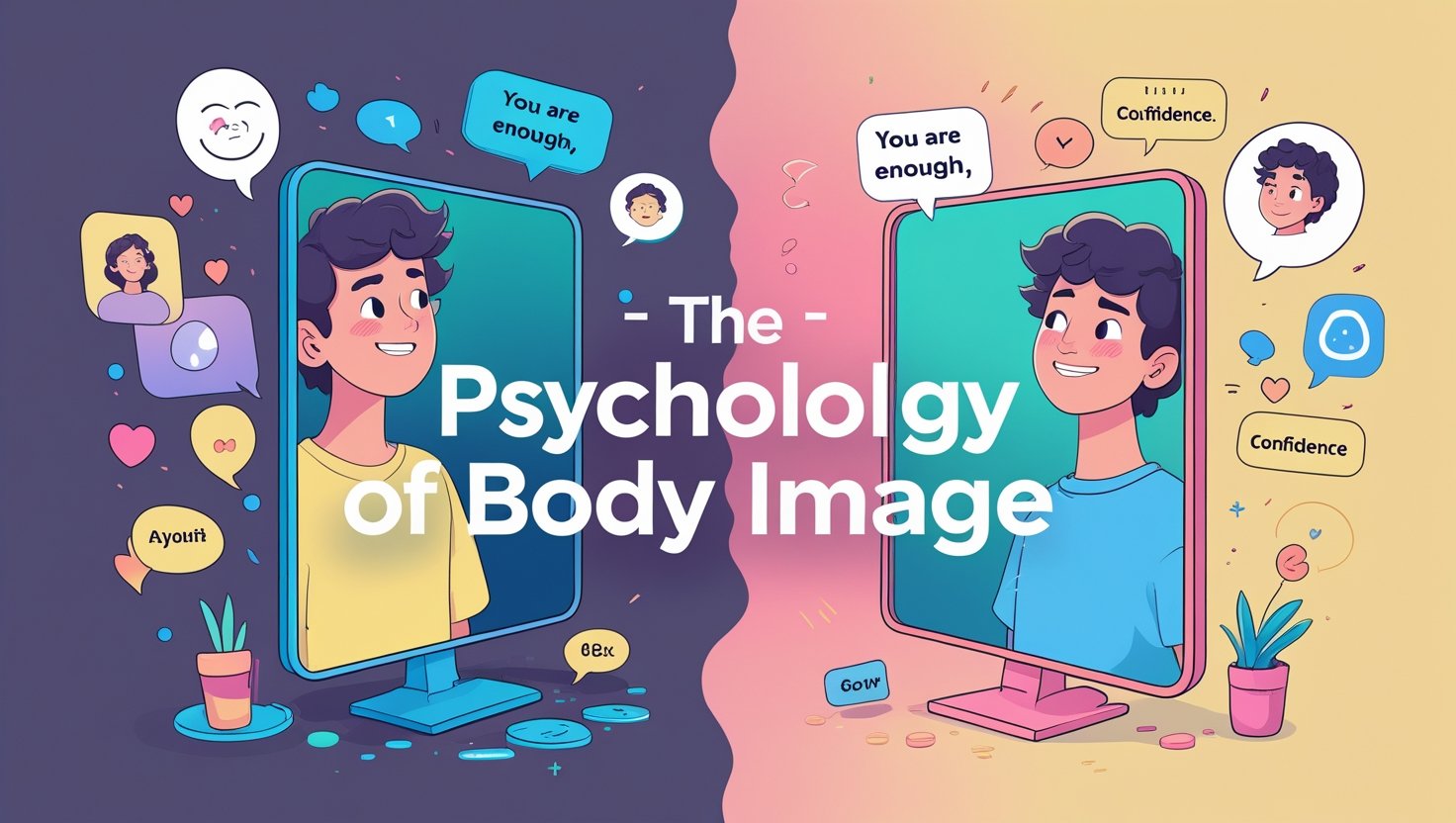
Body image means what a person feels and thinks about his/her body. It is not just limited to physical appearance but also includes your relationship, perception, and confidence towards your body. In today’s time, where social media and digital filters are everywhere, people compare the body shown on the screen more than their real body. This comparison is often a result of negativity and dissatisfaction. Body image is deeply related to your self-esteem, confidence, and mental health. If a person has a positive body image, then he is happier with himself, takes care of his health, and is happy with his identity.
But if the body image is negative, then he can suffer from anxiety, depression, low self-worth, and self-hatred. This issue especially affects the young generation, who are always under the pressure of comparisons and unrealistic expectations. It is important to understand that everybody is different, every person’s fitness is different, and no one standard fits everyone. Until we learn to accept our bodies, we cannot feel real happiness and peace. This blog has been written to understand this journey and make it better.
2. Impact of Childhood and Early Experiences on Body Image:
Body image is not just related to experiences after growing up; rather, its basic impact is seen in childhood and early life. When a child hears some specific comments from his parents, teachers, and friends during his upbringing, he starts looking at his body in the same way. If someone is repeatedly told in childhood that he is fat, thin, or that his complexion is not good, then that person gets these things embedded in his heart and mind. These things deeply affect his thoughts, feelings, and relationship with himself. If parents criticize appearance all the time or only appreciate good looks and a slim body, then children learn that their value is only from their physical looks.
Similarly, if someone faces bullying in school because of their looks, then their self-worth declines, and they start feeling ashamed of their body. All these negative thoughts do not leave their head until their adult life. That is why healthy reinforcement and positive language in childhood hold great importance. When a child gets love and respect in every size, color, and shape, then he develops a healthy and positive body image. It is important for all of us that we teach our children that they are beautiful and capable just the way they are.
3. Comparison of Media, Culture, and Beauty Standards:
Today’s media has made beauty standards so unrealistic that it seems impossible for a common man to reach those standards. Everywhere in ads, dramas, movies, and especially on social media, we see models and celebrities who are presented with perfectly slim, clear skin and symmetrical features. These people often take the help of filters, makeup, and editing, but common people consider these images real and compare themselves with them. This comparison not only takes away their happiness but also makes their body image very negative. Culture also exerts this pressure, where fair complexion, thin body, and a specific height are considered ideal. These standards vary from culture to culture but affect people everywhere.
When people do not conform to the standards of the media or culture, they feel that they are not capable, their body is bad, or they are not worth anything. This thinking ruins their confidence and mental health. The media must be responsible and promote diverse bodies, real skin, and realistic images. The general public also needs to understand that every person is unique and that everyone cannot be compared with a single standard. Self-worth should not be linked only to appearance but also to character and abilities.
4. Gender Differences: Analysis of Body Image among Men and Women:
The perception of body image is quite different between men and women. While women feel more pressured due to their colour, weight, and facial features, men often get complexed due to their muscle size, height, and strength. The media has created different, unrealistic ideals for both genders. If women are not slim, fair, and flawless, they feel that they are not meeting the standards of society. Similarly, men have this pressure to look muscular, tall, and physically strong. This pressure represses their emotions and makes them feel ashamed of their real bodies. Women often fall victim to eating disorders, while men turn to steroids and supplements to achieve the ideal body.
Gender roles also play their part in body image issues, such as “girls should look beautiful” or “men should look powerful”. These stereotypes inhibit people’s natural growth and self-expression. Individuals of all genders must understand that physical appearance is only a part of their identity, not their whole identity. Unless we break these gendered expectations, the issue of body image will not be solved. Respect and acceptance should be equal for everyone.
5. Psychological Tools to Deal with Negative Body Image:
Negative body image is not treated with just physical changes, but the use of psychological tools is very important for this. The first step is self-awareness, which is understanding your thoughts and feelings. When you identify when and why you hate your body, you can challenge this thought. Cognitive Behavioral Therapy (CBT) is a famous technique that helps to change your negative thoughts into positive beliefs. Apart from this, self-compassion also plays an important role.
When you make friends with your own people, forgive yourself, and avoid harsh judgments, your body image automatically improves. Mindfulness is also an effective way to feel your body and feelings in the present moment without judgment. Journaling is also a great tool where you can write down your negative and positive thoughts and understand them. Sharing your feelings with support groups or trusted friends can also be a source of relief and motivation. Every person should understand that change is a gradual process and self-acceptance is the first and most important step. Until you love your own body, no external change can make you happy.
6. Conclusion:
In today’s modern era, where there is pressure of beauty standards and ideal body types from all sides, the most important thing is that we understand, accept, and learn to celebrate our real body. Body image is not just a matter of appearance; rather, it is the relationship of your mind and heart with yourself. When you look at yourself with criticism every day, you close the path to your happiness, confidence, and growth. But when you accept yourself without any conditions, whether you are overweight or complexioned, you feel an inner peace and emotional freedom.
Every individual’s body is different, and their journey is also different. It is important to understand that health and beauty can exist in the same body, but that is possible only when we learn to love ourselves. Self-love means that you take care of yourself, respect yourself, and do not want to follow the standards of others. This blog is meant to guide you on this journey of how understanding body image can lead to a new, healthier, and empowered perspective. Becoming friends with your body is the greatest victory, and everyone deserves this victory.
FAQs:
1. What is body image and why is it important?
Body image refers to how a person thinks and feels about their body, including appearance, size, shape, and physical features. It is important because it directly affects self-esteem, mental health, and overall well-being. A positive body image helps people feel confident, while a negative body image can lead to issues like depression and anxiety.
2. How does childhood affect a person’s body image later in life?
Childhood experiences play a crucial role in shaping body image. Comments from parents, teachers, or peers—like being called fat, thin, or unattractive can stay in a child’s mind and affect how they view themselves even in adulthood. Positive reinforcement and unconditional acceptance in early life help build a healthy body image.
3. How do media and cultural standards impact body image?
Media often promotes unrealistic beauty ideals through filtered and edited images, leading people to compare themselves unfairly. Cultural standards that favor certain body types or skin tones can also create pressure. This can result in body dissatisfaction and harm mental health, especially when people feel they don’t meet these “ideals.”
4. Are there differences in body image issues between men and women?
Yes, there are gender-based differences. Women often feel pressure to be slim and fair, while men feel the need to be muscular and tall. Both genders face unrealistic expectations that affect their confidence. These stereotypes come from media and societal roles, and breaking them is essential for body positivity.
5. What are effective ways to improve negative body image?
Improving body image involves mental and emotional work, not just physical changes. Techniques like Cognitive Behavioral Therapy (CBT), mindfulness, journaling, and self-compassion are useful. Talking to support groups or trusted friends also helps. The first step is accepting and loving your body as it is, without judgment.