Have you ever bought something just because it made you feel happy? Or maybe you avoided looking at your bank account because it made you feel anxious? These are examples of how our emotions can influence our financial decisions. Understanding the connection between emotions and money can help us make better choices and improve our financial well-being.
The Power of Emotions:
Emotions are powerful. They can make us feel on top of the world or down in the dumps. When it comes to money, emotions like happiness, fear, excitement, and anxiety can lead us to make decisions that might not be in our best interest. For example, feeling happy might make us spend more than we should while feeling anxious might cause us to avoid dealing with our finances altogether.
Impulsive Spending:
One of the most common ways emotions impact our finances is through impulsive spending. When we feel happy or excited, we might be more likely to buy things on a whim. This could be something small, like a candy bar at the checkout counter, or something big, like a new gadget we don’t need. Impulsive spending can quickly add up and leave us with less money for important things like bills and savings.
Retail Therapy:
Have you ever heard of retail therapy? It’s when people go shopping to make themselves feel better. While it might provide a temporary mood boost, retail therapy can lead to unnecessary spending and financial stress. When we’re feeling sad, stressed, or bored, it’s important to find healthier ways to cope with our emotions instead of turning to shopping. For example, you could try talking to a friend, going for a walk, or doing something you enjoy, like reading or playing a game.
Fear and Avoidance:
Fear can also play a big role in our financial decisions. Sometimes, we might feel so afraid of dealing with money that we avoid it altogether. This can mean not opening our bank statements, ignoring bills, or avoiding conversations about finances. While it might feel easier in the short term, avoiding our finances can lead to bigger problems down the road. When we avoid our finances, we might miss important deadlines, incur late fees, or end up in debt. It’s important to face our fears and take control of our finances, even if it feels scary.
The Impact of Social Media:
Social media can also influence our emotions and, in turn, our financial decisions. Seeing friends and influencers with new clothes, fancy vacations, and luxurious lifestyles can make us feel like we need to keep up. This can lead to overspending and financial strain as we try to match the lifestyles we see online. It’s important to remember that social media often shows a highlight reel, not the whole picture. People might not be as wealthy or happy as they appear online. Instead of comparing yourself to others, focus on your own financial goals and what makes you happy.
Recognizing Emotional Spending:
The first step to managing the impact of emotions on our finances is to recognize when our feelings are driving our decisions. Pay attention to your spending habits and ask yourself if you’re buying something because you truly need it or if it’s an emotional impulse. Keeping a spending journal can help you track your purchases and identify patterns. Write down what you bought, how much it cost, and how you were feeling at the time. This can help you see if there are any emotional triggers for your spending.
Finding Healthy Alternatives:
Instead of turning to shopping to cope with emotions, find healthier alternatives. If you’re feeling sad or stressed, try going for a walk, talking to a friend, or practicing a hobby you enjoy. These activities can provide a mood boost without the financial cost. You could also try relaxation techniques, like deep breathing or meditation, to help manage your emotions. Finding healthy ways to cope with your feelings can help you avoid unnecessary spending and improve your overall well-being.
Setting Financial Goals:
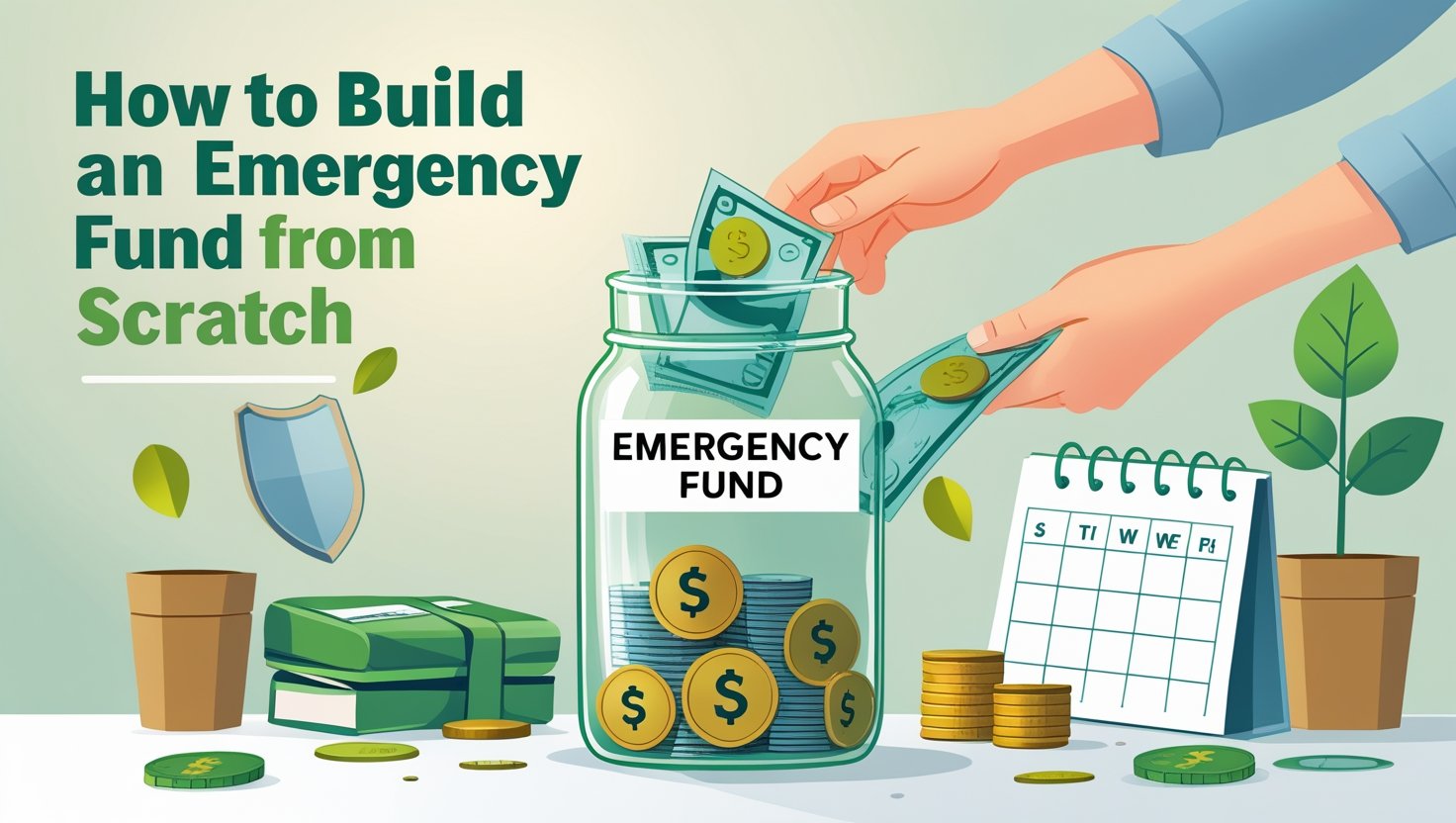
Having clear financial goals can help you stay focused and make better decisions. Whether it’s saving for a vacation, paying off debt, or building an emergency fund, having a goal in mind can motivate you to stick to your budget and avoid emotional spending. Write down your goals and keep them somewhere you can see them, like on your fridge or in your wallet. This can help you stay motivated and remind you of what’s important.
Creating a Budget:
A budget is a powerful tool for managing your finances. It helps you see where your money is going and ensures you’re allocating funds to your priorities. When you have a budget, you’re less likely to make impulsive purchases because you know exactly how much you can spend. Start by listing your income and expenses, and then allocate money to different categories, like rent, groceries, and entertainment. Review your budget regularly and make adjustments as needed to stay on track.
Seeking Support:
If you find that your emotions are consistently impacting your finances, it might be helpful to seek support. Talking to a financial advisor or counselor can provide you with strategies to manage your money better and address any underlying emotional issues. They can help you create a plan to achieve your financial goals and offer guidance and support along the way. Don’t be afraid to ask for help if you need it.
Conclusion:
Our emotions play a significant role in our financial decisions. From impulsive spending to avoidance, emotions can lead us to make choices that aren’t always in our best interest. By recognizing the connection between our feelings and finances, we can take steps to make better decisions. This includes finding healthy alternatives to cope with emotions, setting clear financial goals, and creating a budget. Remember, it’s okay to seek support if needed. Understanding and managing the impact of emotions on our finances can lead to better financial health and overall well-being. So, the next time you feel the urge to splurge, take a moment to check in with your emotions and make a decision that aligns with your financial goals. Your future self will thank you!
By being mindful of how your emotions impact your finances, you can make more informed choices and achieve your financial goals. Take control of your emotions and your money, and you’ll be on your way to a more secure and fulfilling financial future.