
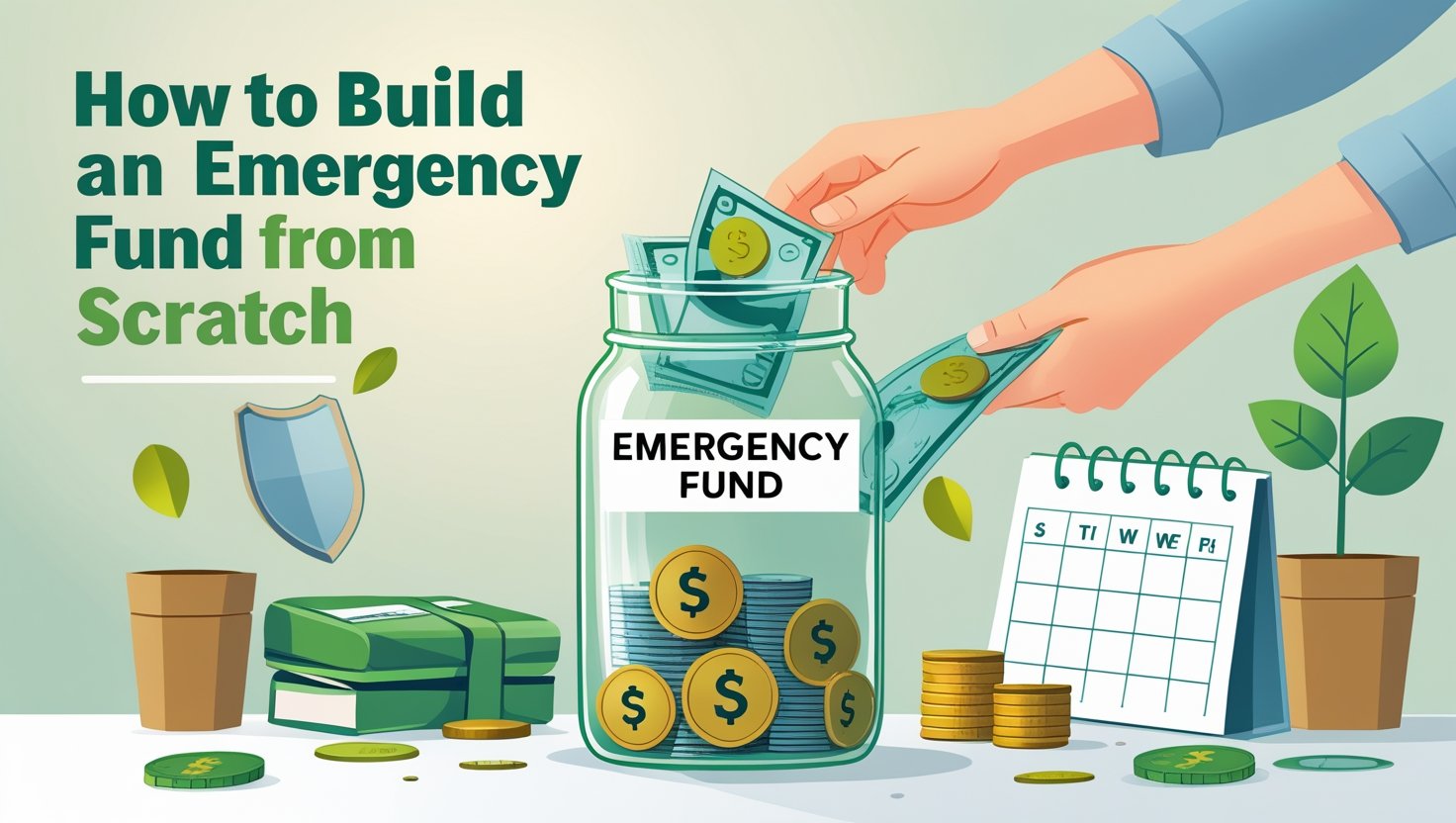
In today’s times, when inflation is increasing and any unexpected expense can come up in daily life, it has become very important to have an emergency fund. Emergency fund is the money which you use in any bad situation, like if you suddenly lose your job, a family member faces a medical emergency, or some repair work comes up at home, then at that time if you do not have money, you have to take a loan or have to ask for a loan from someone, which becomes a matter of stress and shame for many people, that is why financial experts call it emergency. Everyone should have the funds so that if ever you have to face a difficult time, you do not have to ask for money from anyone, and you can solve that problem easily.
Many people think that only rich people can create an emergency fund, whereas in reality, any person of any income level can create it; the only requirement is that you start with small savings and gradually expand them. If you keep setting aside a little from your salary, then within a few months, your small emergency fund can be ready, and when it gets ready, you will have mental peace. You get that if any bad time comes, then you are ready and you will not depend on anyone, that is why this first step is very important and everyone should understand it.
Assess Your Current Financial Situation:
The very first step before starting to create an emergency fund is to understand your current financial situation properly. Until you know how much you are earning and how much you are spending, you will not be able to know how much you can save. For this, first of all, write down your income sources like salary, business side income, or any freelance earnings. Then note down your monthly expenses in detail, like house rent, electricity, gas, internet, food, kids, education, transport, and also write down small expenses. Many people make this mistake they ignoring small expenses when in reality they are not.
This forms a very large part of your budget. After this, see if you are already paying any loans or debt, then how much is that, and what is the schedule of its installments. After understanding all this, you will get a clear how much money you can save. When you see a clear picture of your financial position, you can easily decide in which area you should reduce expenses and from where you should start saving. Some people do not even make their monthly budget, which is the biggest mistake. If you learn to make a budget, then you will come to know in which category you are overspending, and from there, you can save money. You can save some money and put it in your emergency fund. Do not take this step lightly because this will be the basis for how much and how you can save.
Set a Realistic Savings Goal:
Now that you have an idea of your income and expenses, the next important thing is to set a realistic goal for your emergency fund. Often, people set their first goal so big that they get demotivated. So always start with a small goal. Experts say that ideally, the emergency fund should be as much as your 3 to 6 months’ expenses. This means if your monthly expenses are Rs. 50,000, you should create a fund of at least 1.5 lakh to 3 lakh so that if you lose your job or face any problem, you can easily spend three to six months. But if you are starting to create a fund for the first time, then the first goal should be as big as 1.5 lakh to 3 lakh.
Keep a milestone of Rs. 10,000 or Rs. 20,000; when that is accomplished, then keep the next milestone; in this way small goals will be accomplished and your confidence will increase; never get confused thinking how to save such a huge amount; just be consistent and save a little every month; some people keep their savings aside as soon as their salary comes every month so that only the rest of the money is spent; in this way you will not even realize and your emergency fund will be ready slowly; it is also important to set a realistic goal so that you do not get emotionally stressed and remain motivated at every milestone; hence you can increase your income And make sure to set a practical target according to the situation.
Find Ways to Save Consistently:
Now, the most important point is that you have come to know how much you want to save, but now the question is, how will you save? For this, you will have to adopt regular saving habits. First of all, look at your daily routine expenses and think where you are spending unnecessarily. Like, if you are wasting extra money on daily outings, tea, coffee, or snacks, then reduce it. If you take lunch from home, then you can save the money spent on office lunch. Apart from this, cancel small subscriptions like apps or memberships that are not being used. Money will be saved from this, too. Many people generate extra income by using their skills. Like online freelance work or tuition, or any small side business, put the money that comes from it directly in the emergency fund.
Along with this, the automatic saving system is also good; like as soon as you get your salary, some money gets transferred to another account; in this way, you will not spend that money. Consistency in saving is very important, no matter how small the amount is; if you keep putting in regularly, the funds will keep on flowing, and you will not need to borrow from anyone during bad times. In this way, by saving a little every month, you will gradually become financially strong, and this habit will be useful to you throughout your life.
Best Places to Keep Your Emergency Fund:
Now, when you are ready after saving money, the most important thing is where to keep this emergency fund. Many people make this mistake that they put this money in some such account from where it is difficult to withdraw, or there are fees involved, or else they keep that money in the form of cash at home, which increases the risk of theft or misuse. So, always choose such an account that is easily accessible and safe too. Often people prefer a savings account because there the money is safe and can also be withdrawn quickly when needed. Some people also put money in fixed deposits, but from there, it takes time to withdraw, and a penalty can also be levied; therefore, always keep the emergency fund in a place where you can withdraw money within a day.
Some people even create digital wallets or separate bank accounts that are only for emergencies. Do not put money in any risky investments like stock market or high risk crypto because the purpose of emergency fund is not to earn profit but to keep a risk free backup Therefore choose safe and liquid options It is good if you get some interest in the account but do not compromise on liquidity In this way, when there is a need, you can withdraw your money without any tension and use it in work during difficult times.
Conclusion:
After all, the most important thing is that an emergency fund cannot be created in a day. Patience and discipline are required for this. When you save a little, temptations come in between to use this money for shopping or an outing. But you must always remember that this money is for some unexpected situation. It should not be used for normal expenses. Sometimes people think that they will not face any emergency. But life can surprise anyone at any time. That is why it is very important to remain disciplined.
When your emergency fund reaches a level, do not stop there. Drain it slowly, and if it ever gets empty, refill it again so that you can be prepared for the next time. When you have a strong emergency fund, you get mental peace. You know that you will not need to borrow money during difficult times, and you will be saved from financial stress. That is why everyone should stay disciplined and make their future secure, because today’s savings become a safety net for tomorrow.
FAQs:
- What is an emergency fund and why is it important?
An emergency fund is money that you set aside to cover unexpected expenses like sudden job loss, medical emergencies, or urgent home repairs. Its purpose is to help you manage difficult situations without needing loans or borrowing from friends or family. It gives you mental peace and financial independence during tough times, so you don’t have to rely on anyone else. - Can people with low income also build an emergency fund?
Yes, anyone, regardless of income, can build an emergency fund. Many people think only the rich can save, but even small, regular savings add up over time. By setting aside a little money every month, even low-income earners can slowly build a safety net for unexpected situations. The key is to start small and stay consistent. - How do I know how much money I should save for an emergency fund?
First, calculate your total monthly expenses like rent, bills, food, transport, and debts. Financial experts usually recommend saving enough to cover at least 3 to 6 months of living expenses. For example, if your monthly expenses are Rs. 50,000, aim for a fund of Rs. 1.5 lakh to 3 lakh. If that feels too big at first, break it into small milestones like Rs. 10,000 or Rs. 20,000 and build up step by step. - Where should I keep my emergency fund money?
Always keep your emergency fund in a safe and easily accessible place. A savings account is the best option because it’s secure and you can withdraw money quickly when needed. Avoid risky investments like stocks or crypto for your emergency fund because the goal is not profit but safety and quick access. Do not keep large amounts of cash at home because of the risk of theft or misuse. - How can I save consistently for my emergency fund?
Check your daily spending and cut unnecessary expenses like extra snacks, dining out, or unused subscriptions. Use your skills to earn extra income through freelance work or side jobs and put that money directly into your fund. Automate your savings by setting up an automatic transfer to a separate account when your salary comes. Stay disciplined and remember that this money is only for real emergencies, not for regular spending or shopping.