Imagine your electricity grid as a 1970s switchboard operator vs. a modern AI assistant. That’s the leap smart grids bring. Forget flickering lights and surprise bills; this tech is quietly transforming how energy flows, saving money, and even fighting climate change. Dive into how smart grids aren’t just futuristic jargon but your home’s new best friend.
From Dumb Wires to Brainy Networks:
Traditional grids are like landlines—they send power one-way and crash during storms. Smart grids, however, use AI, sensors, and real-time data to act like a “nervous system” for energy. They detect outages in seconds, reroute power to avoid blackouts, and even predict when your neighborhood’s AC will overload the system. Cities like Chattanooga cut outage times by 50% after adopting this tech, proving intelligent energy grids aren’t just hype.
Your Wallet’s New Ally: How Dynamic Pricing Slashes Bills:
Why pay the same for energy at 2 PM as at 2 AM? Smart grids enable real-time pricing, where electricity costs less during off-peak hours. Imagine your dishwasher running automatically at 3 AM when rates drop 40%. In Illinois, households using this system saved $150/year. Pair it with a smart meter, and you’ll see energy hogs (looking at you, old fridge) in real time.
Blackout-Proofing Homes: The Self-Healing Grid Magic:
When a tree knocks out a power line, traditional grids wait for repair crews. Smart grids fix themselves. Using automated switches, they isolate damage and redirect power in milliseconds. After Hurricane Sandy, parts of New Jersey with self-healing grids restored power to 300,000 homes 3 days faster. It’s like your grid gains a superhero cape.
Greening the Grid: How Renewables Get a Turbo Boost:
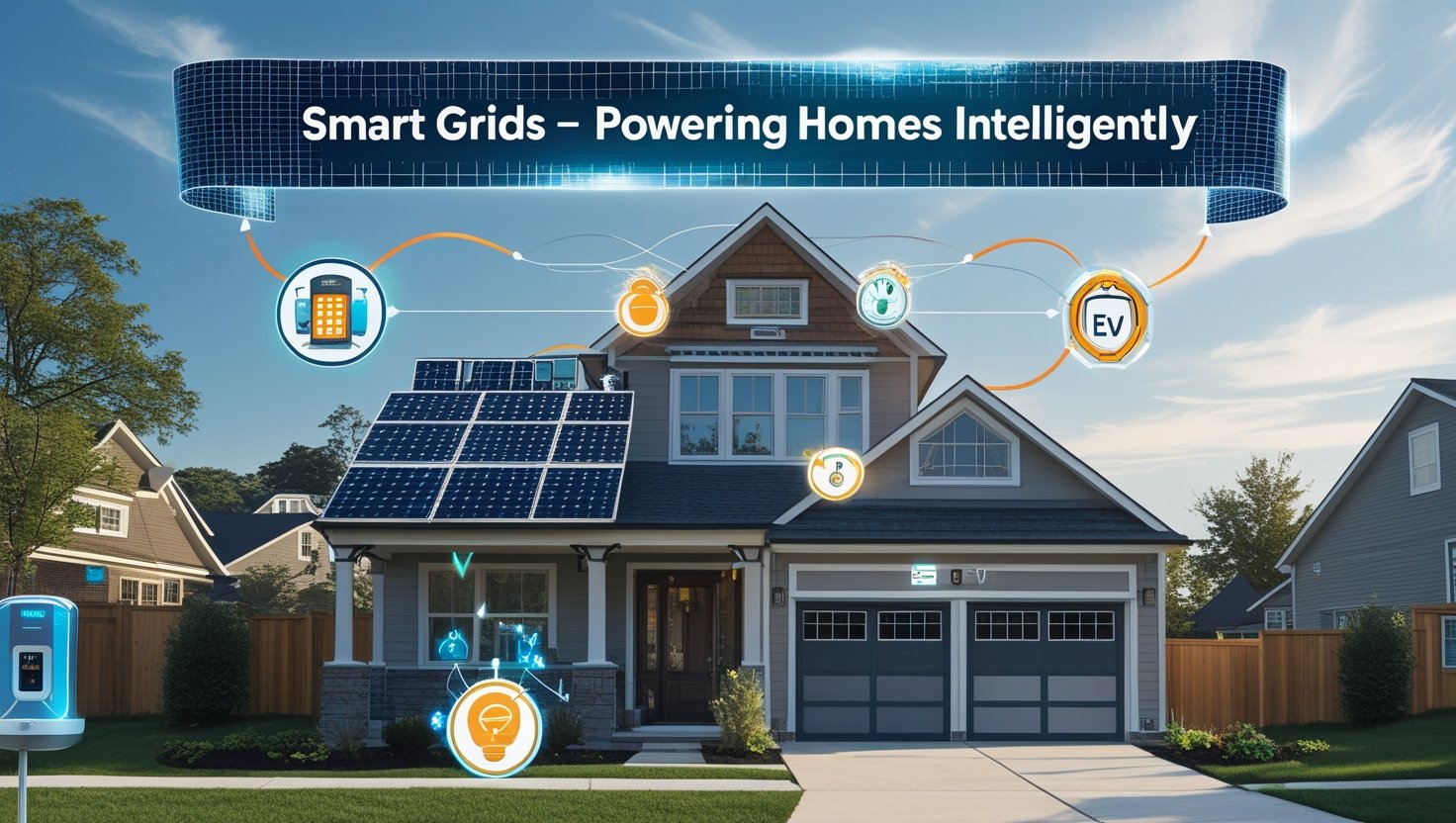
Solar and wind power are unpredictable, the sun sets, wind stops. Smart grids solve this by storing excess energy in batteries or EV cars and releasing it when needed. In Hawaii, smart grids helped renewables power 60% of Oahu’s needs. They also let homeowners sell extra solar energy back to the grid, turning roofs into revenue streams.
The Invisible Guardian:
Critics fear smart grids are hackable, but they’re actually Fort Knox 2.0. Advanced encryption and blockchain track every watt, stopping thieves who tamper with meters. A Texas utility reduced “ghost usage” (mystery energy drains) by 25% using smart grid analytics. Plus, they alert you if a device starts sucking power abnormally—no more phantom freezer leaks.
Your Fridge Talks to the Grid: The Rise of Smart Appliances:
Imagine your AC syncing with the grid to cool your home before peak rates hit. Smart grids integrate with IoT devices, creating a hive mind of efficiency. LG’s ThinQ fridges already adjust energy use during grid stress. In South Korea, this tech cut household emissions by 14%. Your appliances aren’t just smart—they’re team players.
Conclusion:
Smart grids aren’t a distant dream; they’re here, cutting bills, boosting renewables, and keeping lights on during storms. The upgrade costs less than you think (many utilities fund it!), and the payoff is a cleaner, cheaper, and resilient energy future. Ready to let your home’s power system join the 21st century?
FAQs:
Q1: What exactly is a smart grid?
A tech-enhanced energy network using AI, sensors, and real-time data to optimize power delivery and reduce waste.
Q2: Will a smart grid save me money?
Yes! Dynamic pricing and energy alerts help cut bills—some save $150+/year.
Q3: Are smart grids secure from cyberattacks?
Safer than traditional grids. They use military-grade encryption and blockchain to protect data.
Q4: Do I need to buy new appliances?
Not immediately, but smart appliances maximize benefits by syncing with the grid.
Q5: How do smart grids help the environment?
They integrate renewables efficiently, reducing fossil fuel use and household carbon footprints.
Q6: Is my utility company using smart grids yet?
Many are! Check their website for smart meter programs or renewable energy incentives.